"Ultimate Guide to Skip Bin Hire: Cost-Effective Waste Management for Your Next Project"
The "Ultimate Guide to Skip Bin Hire" provides a comprehensive analysis of efficient waste management for diverse projects. It tackles common disposal challenges and showcases skip bins as viable solutions. Furthermore, it provides guidance into picking the appropriate bin size, understanding pricing, and determining permit specifications. Having this knowledge, individuals can optimize their waste disposal system. Yet, navigating these considerations can be complicated, leaving many questioning how to best approach their specific needs.
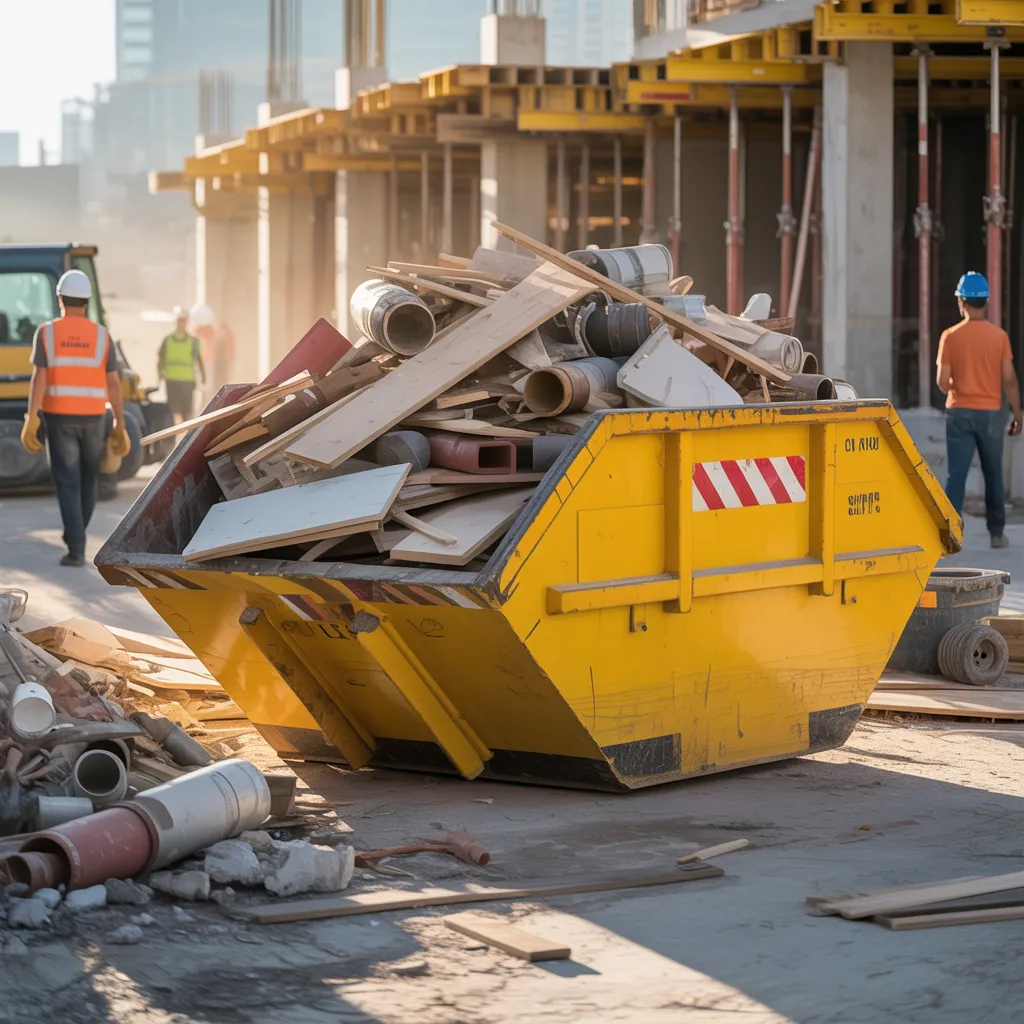
Common Waste Disposal Difficulties and How Skip Bins Can Assist
In the process of waste management, both individuals and businesses commonly experience multiple obstacles that complicate disposal procedures. A considerable difficulty stems from the wide array of waste varieties, extending from recyclable goods to hazardous content, each needing distinct disposal procedures. Furthermore, restricted space for storing and transporting waste can worsen these problems, creating difficulties in effectively handling substantial waste quantities. Regulations and compliance requirements further complicate matters, as improper disposal can lead to fines and environmental harm.
Skip bins deliver a convenient solution to these problems. They provide a centralized location for waste collection, simplifying the sorting and disposal process. By accepting multiple waste types, skip bins help maintain compliance with local regulations. Their availability in different sizes allows users to select an appropriate option based on the volume of waste generated. Ultimately, skip bins streamline waste management, making it more convenient for both individuals and businesses to dispose of waste efficiently and responsibly.
Choosing the Correct Size and Type of Skip Bin for Your Needs
Choosing the appropriate size and type of skip bin is critical for effective waste management. The primary consideration is the volume of waste to be eliminated, which fluctuates depending on the project type—whether it's home renovations, landscaping, or commercial construction. Skip bins come in numerous sizes, typically ranging from 2 to 12 cubic meters. A smaller bin may be sufficient for a garden clean-up, while a larger one would be essential for extensive construction debris.
Furthermore, the form of waste influences the decision of skip bin. General waste, green waste, and construction debris each require different handling. For example, green waste bins are designed for organic materials, while builders' skips are engineered to accommodate heavier materials like bricks and concrete. Comprehending these distinctions helps ensure efficient waste disposal and compliance with local regulations, ultimately contributing to a smoother project execution.
Hiring a Skip Bin: Understanding Pricing
Cost factors play a crucial role in the skip bin hire process, influencing both budget planning and project execution. Multiple elements contribute to the overall expenses associated with hiring a skip bin. Initially, the size of the bin directly affects the cost; larger bins generally incur higher rental fees. In addition, the type of waste being disposed of can cause price variations, as some materials may require special handling or processing.
Transport and pickup costs also play a role in the final price, with distances from the provider's depot impacting charges. Rental duration is another consideration, where longer hire periods typically lead to higher expenses.
Moreover, some service providers may feature tiered pricing models based on seasonality and demand patterns. Knowing these components is vital for businesses and individuals to make well-informed decisions about their skip bin hire, consequently ensuring optimal waste management within their budget constraints.
Is There a Need for a Permit for Your Skip Bin?
Do you need a permit to place a skip bin on public property? In many jurisdictions, a permit is required where the skip bin will be placed in a public space including a road, footpath, or park. This rule is primarily aimed at guaranteeing public safety and preserve accessibility for pedestrians and vehicles. Before renting a skip bin, people should inquire with their local council or governing authority to confirm specific permit requirements.
In certain situations, permits may include associated fees, and the timeframe of the permit might be limited. Conversely, locating a skip bin on private property typically doesn't need a permit, on the condition that the property owner gives authorization. Nonetheless, it is advisable to verify local regulations to sidestep potential fines or disputes. Understanding these requirements will help ensure a smooth waste disposal process and stop any legal complications during the project.
Guidelines for Efficient Waste Management Through Skip Bins
During the planning of a project that involves waste disposal, effective management of materials in a skip bin can considerably streamline the process. To guarantee efficiency, individuals should first assess the type and volume of waste accumulated, selecting a skip bin size that suits their needs. Appropriate segregation of materials is essential; recyclable items should be separated from general waste to encourage responsible disposal practices.
Additionally, packing the skip bin properly optimizes space; putting larger items at the bottom and smaller items on top aids in prevent wasted capacity. It is suggested to avoid overloading the bin, as this can result in additional charges and complications during collection.
In conclusion, booking the pick-up upfront secures that the waste is collected quickly, enabling a smoother project flow. By adopting these methods, individuals can optimize their waste management processes with skip bins and support a more sustainable environment.
Frequently Asked Questions
Can I Rent a Skip Bin for One Day Only?
Yes, hiring a skip bin for a single day is often possible. Many companies offer flexible rental options, letting users pick short-duration rentals to fulfill specific undertaking necessities avoiding lengthy contracts.
Are There Any Items I Can't Dispose of in a Skip Bin?
Particular items are not permitted in a skip bin, like hazardous materials, liquids, batteries, electronic waste, learn the details and large appliances. Always check local rules and skip bin company guidelines for detailed restrictions and requirements.
What Should I Do to Prepare for a Skip Bin Delivery?
In preparation for skip bin delivery, you'll need to clean the designated area, verify accessibility for the delivery vehicle, inspect for overhead obstacles, and ensure the placement location follows local regulations and guidelines.
What Happens When My Skip Bin Is Overfilled?
Should a skip bin be overfilled, the waste management company may refuse to collect it, impose additional fees, or require the excess material to be removed. Proper filling ensures adherence and avoids difficulties during removal.
Am I Able to Retain the Skip Bin Longer Than Originally Agreed?
Usually, retaining a skip bin beyond the agreed period demands prior approval from the hire company. Extra charges may be incurred, and provisions should be established promptly to sidestep issues or possible fines for extra time